Cedar and pressure-treated pine are the two most popular wood fence materials in Connecticut — and they’re genuinely different products. The right choice depends on your budget, how much maintenance you’re willing to do, and how Waterbury’s climate will interact with each material over time.
This guide cuts through the noise. We’ll cover how each wood performs in Waterbury’s specific conditions, what the real costs look like long-term, and which scenarios call for which material.
Why Waterbury's Climate Makes This Decision Important
Waterbury has one of the more demanding climates for wood fences in New England. Winters drop into the single digits with an average of 37 inches of snow per year. Summers push into the high 80s with high humidity. Between those extremes, the city goes through dozens of freeze-thaw cycles each year — temperatures swing above and below freezing repeatedly throughout winter and early spring.
Why does this matter for wood fencing? Wood expands when it absorbs moisture and contracts as it dries. Every time Waterbury’s temperatures yo-yo around the freezing point, wood that has absorbed water can crack, split, and loosen at the joints. Humidity levels in Waterbury hover between 62% and 80% year-round, which means your fence is never truly dry for long.
Cedar and pressure-treated pine handle these conditions differently — and that difference compounds over 10 to 20 years.
Cedar Fencing: What Waterbury Homeowners Get
The case for cedar
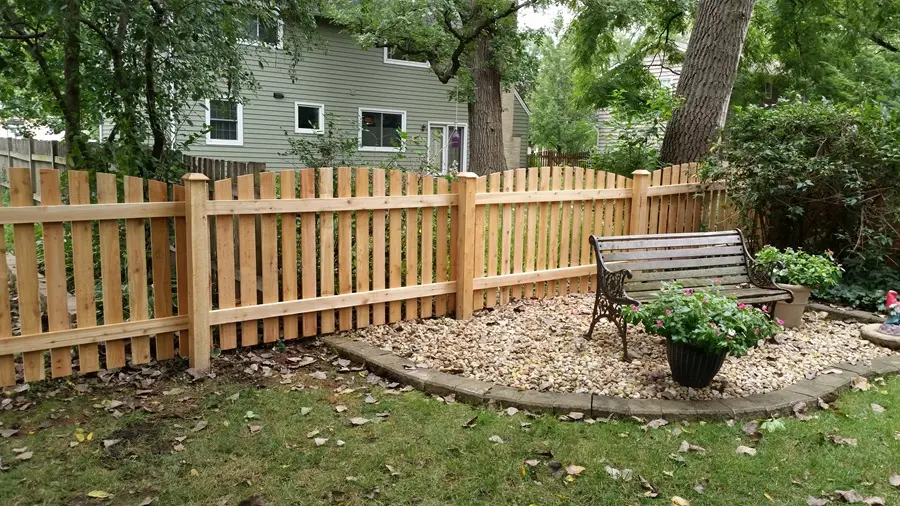
Cedar’s biggest advantage is that it doesn’t need chemical treatment to resist moisture, rot, or insects. It contains natural oils — called extractives — that protect the wood from within. This is why cedar has been the go-to choice for outdoor furniture, decks, and fencing in cold, wet climates for generations.
In Waterbury’s freeze-thaw conditions, cedar’s dimensional stability is a real asset. It’s far less prone to warping, cupping, and twisting compared to pine, which means your fence stays straighter and tighter over time.
- Natural rot and insect resistance — no chemical treatment required
- Handles temperature fluctuations and moisture cycles better than pine
- Lasts 20–30 years with proper care; can reach longer with regular sealing
- Ages to an attractive silver-gray patina if left natural
- Lighter weight makes installation easier and puts less stress on posts
The drawbacks of cedar
- Higher upfront cost — roughly $6–$8 per linear foot for materials alone
- Can be harder to source locally; may need a specialty lumber supplier
- Although rot-resistant above ground, cedar posts embedded directly in soil can rot faster than pressure-treated pine — a key installation detail
- Color fades over time without periodic sealing or staining
Pro tip for Waterbury installs: Many contractors use cedar boards above grade with pressure-treated pine posts set in concrete below grade. This hybrid approach gets you cedar’s appearance and low-maintenance surface while using PT pine’s soil resistance where it matters most.
Pressure-Treated Pine: What Waterbury Homeowners Get
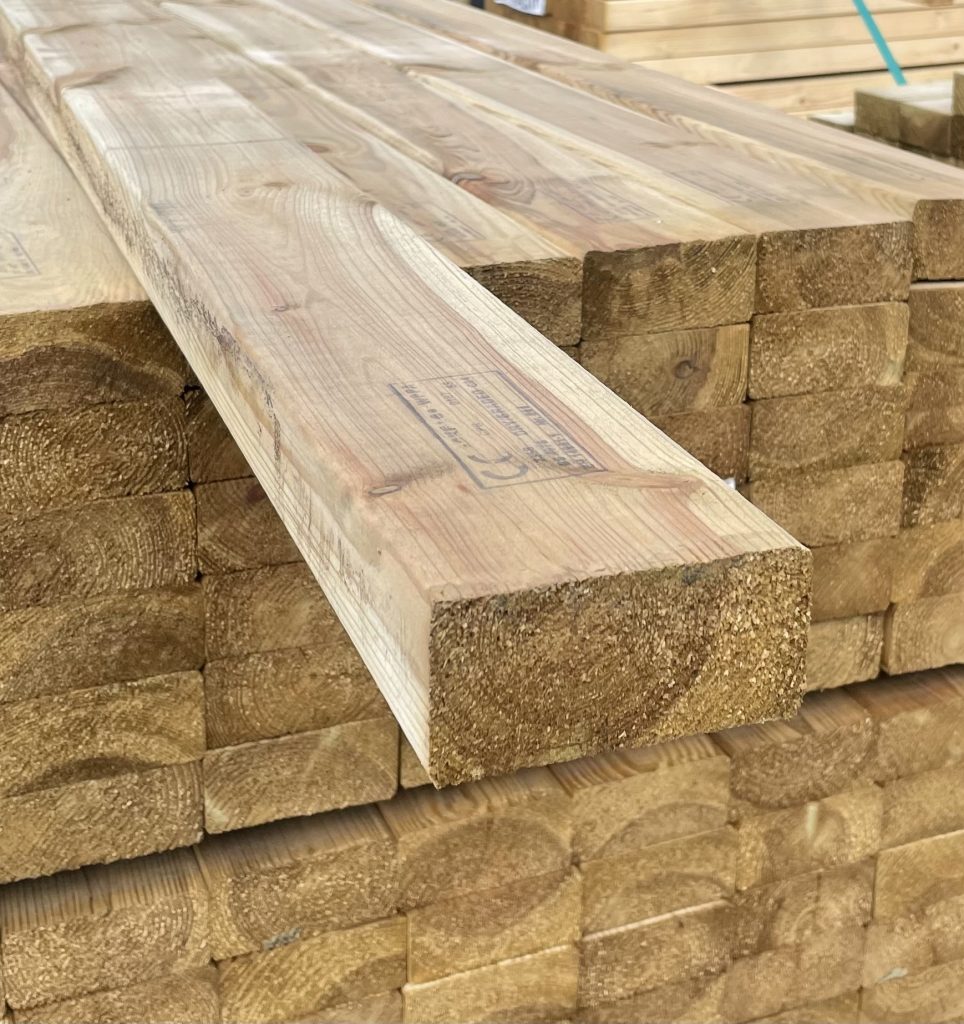
The case for pressure-treated pine
Pressure-treated pine is the most widely used wood fencing material in Connecticut for a reason: it’s significantly cheaper upfront, widely available at local lumber yards, and the chemical treatment gives it solid resistance to moisture and insects at the point of ground contact.
If you’re fencing a large property, working with a tight budget, or plan to sell your home in the next several years, pressure-treated pine gives you a functional, respectable fence at a lower initial price.
- Much lower upfront cost — $1–$5 per linear foot for materials
- Widely available at home improvement stores and lumber yards across Connecticut
- Performs well when posts are embedded in soil — better than cedar at ground contact
- Accepts stains and paints well once fully dried after treatment
- Easier to find replacement boards for repairs
The drawbacks of pressure-treated pine
- More susceptible to warping, cracking, and splitting through freeze-thaw cycles
- Requires staining or sealing every 1–2 years to prevent premature weathering
- Fresh-treated pine has a greenish tint that fades but can look unfinished initially
- Lifespan of 10–15 years with maintenance — roughly half that of well-kept cedar
- Chemical preservatives can be a concern in areas where children and pets spend time
Important: Pressure-treated pine must dry out completely before staining — often 3–6 months after installation. Staining too early traps moisture and leads to premature peeling.
Cedar vs. Pressure-Treated Pine: Side-by-Side
Category | Cedar | Pressure-Treated Pine |
Upfront cost (per lin. ft.) | $6–$8 | $1–$5 |
Lifespan (with maintenance) | 20–30 years | 10–15 years |
Natural rot resistance | Yes — built-in oils | No — needs chemical treatment |
Handles freeze-thaw cycles | Excellent | Moderate |
Maintenance frequency | Every 3–4 years | Every 1–2 years |
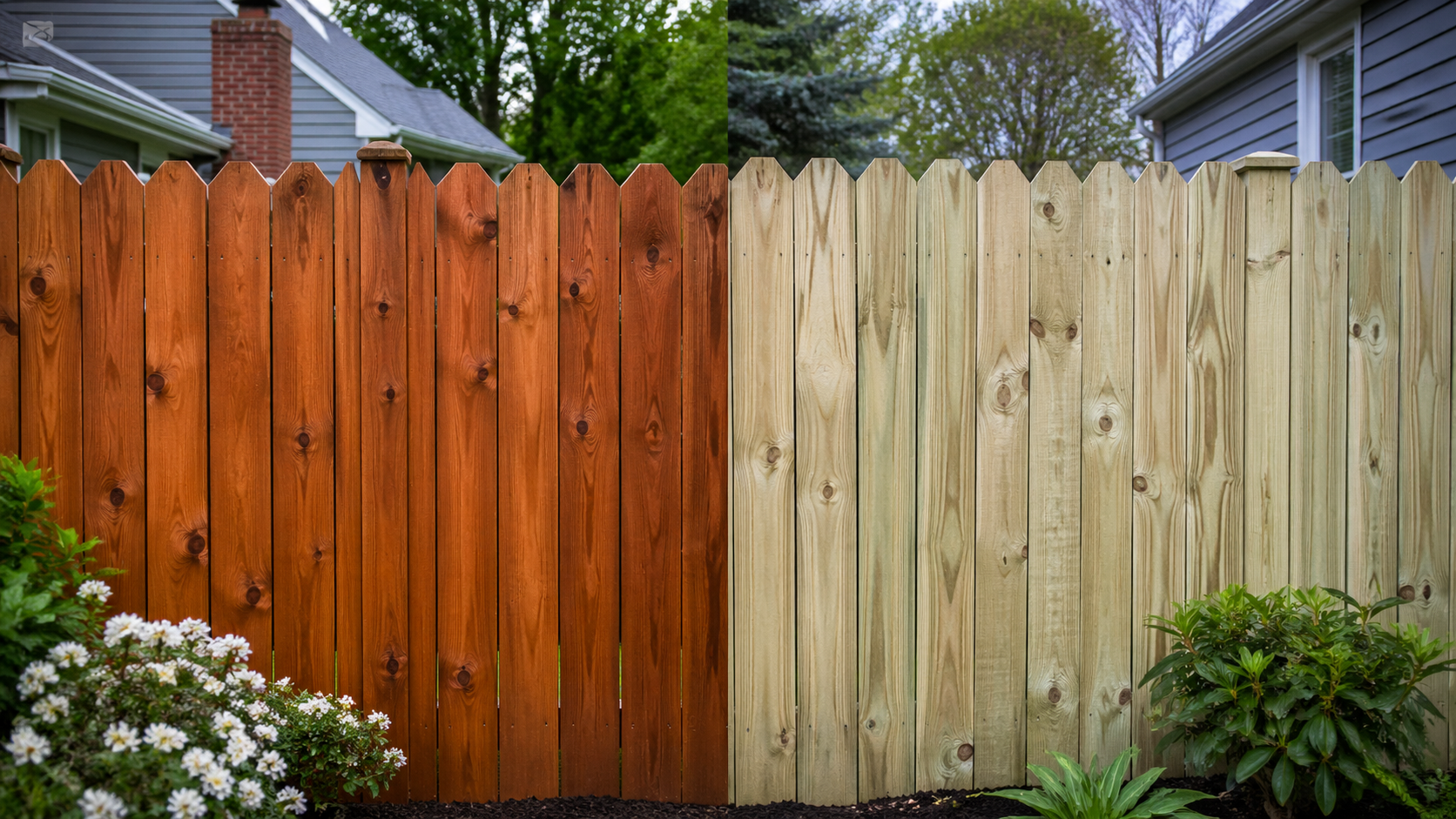
Appearance | Warm reddish-brown, rich grain | Pale/greenish tint, fades to gray |
Post-in-soil durability | Fair — prone to rot at ground contact | Better — chemical treatment helps |
Availability in CT | Moderate — specialty suppliers | High — most lumber yards |
Best for Waterbury homeowners | Long-term investment, low upkeep | Tighter budget, larger properties |
Which One Is Right for Your Waterbury Property?
Choose cedar if:
- You plan to stay in your home long-term and want a fence that pays off over 20+ years
- You want minimal maintenance — annual inspection and a seal every few years is all cedar really needs
- Curb appeal and natural aesthetics matter to you
- You’re fencing a smaller yard where the higher per-foot cost is manageable
Choose pressure-treated pine if:
- You’re working with a tight budget or fencing a large lot where cost per foot adds up fast
- You’re okay with more frequent maintenance and will actually follow through on it
- You’re planning to sell the property within the next several years
- You need replacement boards to match an existing pine fence
Maintenance Expectations in Waterbury's Climate
In Waterbury’s wet, freeze-thaw environment, both wood types need attention — but the frequency and consequences of skipping maintenance differ significantly.
For cedar: Clean with soap and water annually. Inspect for loose boards or early rot signs. Apply a quality water-repellent sealer or UV-resistant stain every 3–4 years to preserve color and add an extra barrier against moisture.
For pressure-treated pine: Plan to seal or stain every 1–2 years. The chemical treatment protects against rot and insects but does not prevent surface weathering. Boards that aren’t sealed regularly will gray quickly, develop surface cracks, and become more vulnerable to moisture infiltration through those cracks — especially during Waterbury’s cold winters.
In both cases: check post bases every spring after the ground thaws. Frost heave — where frozen ground pushes posts upward — is a real issue in Connecticut. Posts set in concrete that sits below the frost line (typically 36–48 inches in CT) are far more stable than shallower installs.
Talk to a Waterbury Fence Contractor Before You Decide
Cedar vs. pine isn’t always a clear-cut answer — it depends on your specific yard, your property’s sun and moisture exposure, your budget, and how long you plan to stay. Quality Fence, Inc. as your fence contractor we installed wood fences across Waterbury and the surrounding Connecticut towns. We can walk your property, assess your conditions, and give you an honest recommendation rather than just selling you the more expensive option.