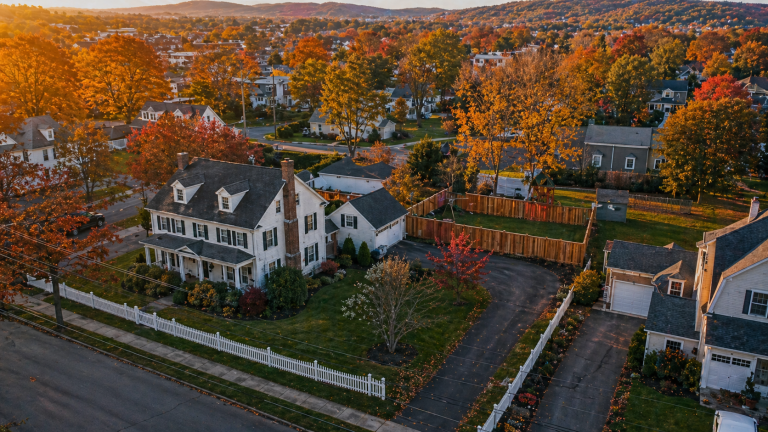
Many out-of-town fence company miss how Woodbury’s mixed terrain and seasonal freeze-thaw cycles affect post stability, so you should insist on a team that anticipates rocky ledge, root zones, and freeze-thaw heave that can dislodge posts; you also protect your project by using local knowledge of historic-district setbacks and municipal permit variances to avoid costly rework, and you want installers who preserve mature trees and natural drainage to prevent erosion and neighborhood complaints.
Key Takeaways:
- Local terrain and soils – frequent ledge, glacial till and wet drainage areas change post-setting methods and may require excavation equipment or alternative footings installers unfamiliar with Woodbury often don’t account for.
- Historic lots, stone walls and regulations – many properties have old stone boundaries, preservation concerns, and specific setback or design expectations plus town permits that influence fence height, style and placement.
- Access, subsurface infrastructure and seasons – narrow roads, steep driveways, hidden wells/septic lines and frozen/seasonal ground conditions affect logistics, timing and safe placement of posts and hardware.
Understanding Woodbury’s Unique Landscape
Woodbury’s mix of rolling hills, glacially deposited stone and narrow river floodplains means your fence site rarely behaves like a suburban lot; you’ll often hit shallow bedrock or cobble within a few feet, face pockets of heavy clay that hold water, and contend with steep grades that channel runoff. Contractors unfamiliar with local lots miss how these patterns create localized erosion, frost heave, and variable post stability-all factors that change materials, anchoring, and drainage choices.
Terrain and Soil Considerations
When you dig, expect glacial till layered over ledge, with roots and stones disrupting uniform post depths; typical frost movement in CT means footings should extend to about 3-4 feet. In practice you’ll use helical anchors or concrete piers where bedrock sits shallow, and slope work often requires stepped rails or retaining sections to prevent leaning. Ignore these and posts will twist or settle within seasons, especially on south-facing slopes that shed snow faster.
Vegetation and Climate Effects
The town’s mature oaks, maples and mixed pines create concentrated leaf litter and root mats that keep soil moist and acidic, so you’ll see faster rot at the ground line and uneven drainage near tree lines. Winters bring regular freeze-thaw cycles and 30-50 inches of annual precipitation that amplify frost heave and rot risk, so your choice of wood, coatings and hardware directly affects longevity and maintenance frequency.
In one local example, a 6-foot cedar privacy fence installed without stainless fasteners and set directly into leaf-rich soil began failing in three years; swapping to pressure-treated posts with 2-3 inches of gravel clearance, stainless or hot-dipped galvanized hardware, and a gravel-sleeved footing extended its life well beyond. You should also plan pruning and root-routing when trees sit within 10-15 feet of the line, and route drainage away from posts with swales or perforated pipe to minimize repeated saturation and freeze damage.
Local Regulations and Permits
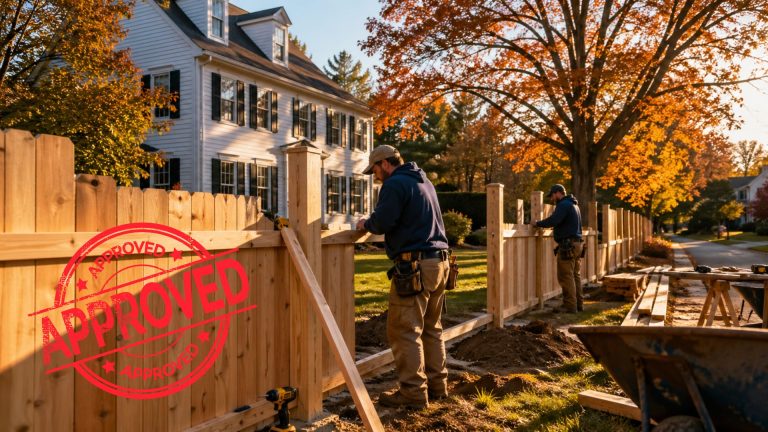
You must pull permits from Woodbury’s Building/Zoning office before starting; typical applications need a site plan, contractor contact, and fees often between $50-$150. You should expect at least one inspection and to verify property lines with a surveyor. Also Call 811 before you dig to avoid hitting utilities. If you prefer, hire a vetted local Fence Contractor in Woodbury, CT who handles permits and inspections.
Zoning Laws Specific to Woodbury
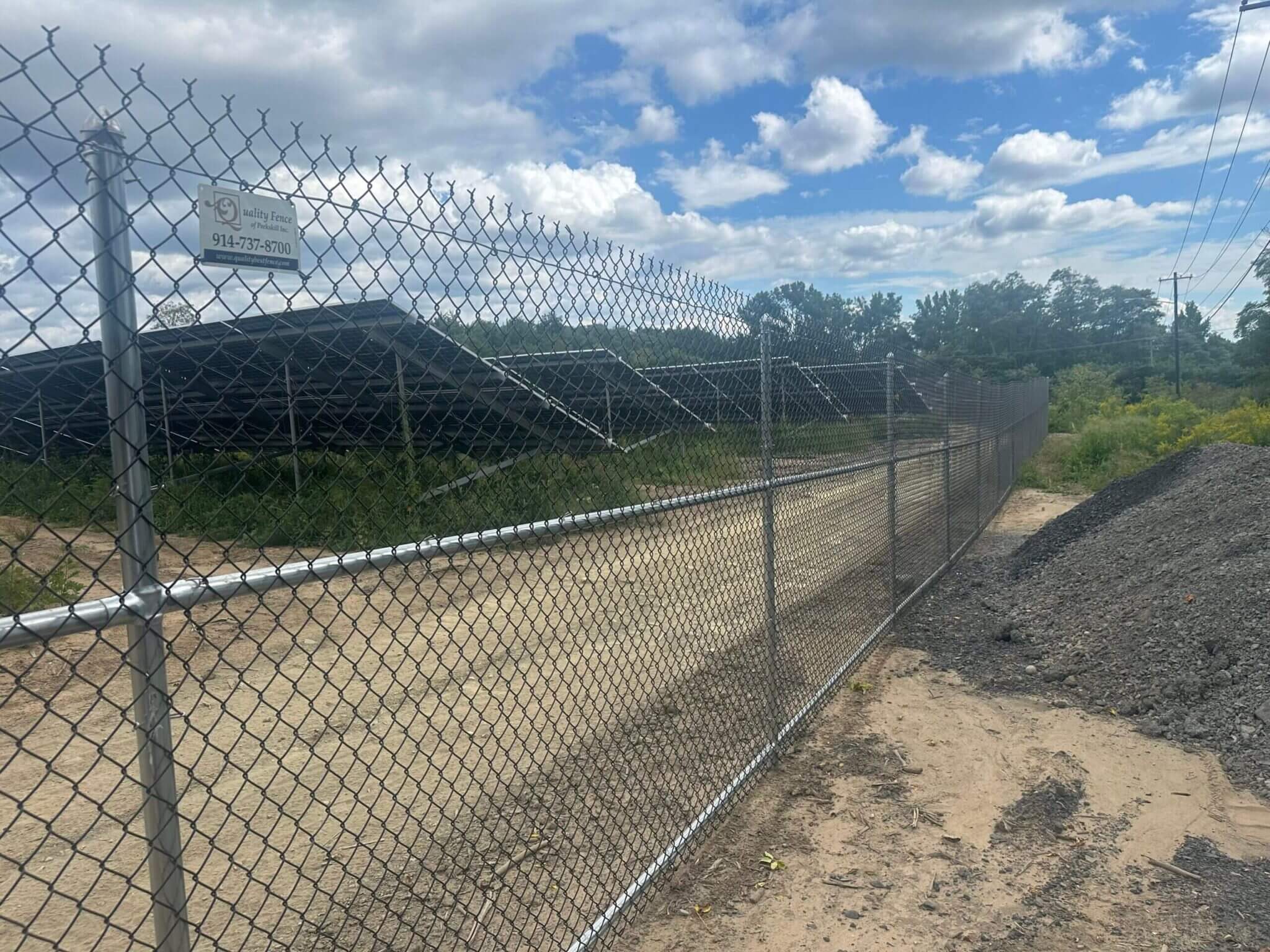
Zoning in Woodbury often enforces a 4 ft front-yard height limit and a 6 ft maximum in side/rear yards in many residential zones; your parcel’s zoning designation determines exact numbers. You should check setback requirements and visibility triangles at intersections to avoid code enforcement. Building official reviews frequently reject chain-link or opaque fences in historic areas like Woodbury Center.
Homeowner Association Guidelines
Many Woodbury HOAs include detailed CC&Rs that require you to submit drawings, material samples, and a fence location plan for written approval. Reviews commonly take 30-60 days, and you should avoid installing before approval; violations can trigger forced removal or fines. You should consult the association’s design review committee and keep records of approvals.
You’ll often need to submit scaled elevation drawings, exact material specifications, and a sample stain/paint code; HOAs may require that your installer be a licensed, insured contractor and supply liability proof. Some associations limit styles-often prohibiting chain-link or solid privacy fences along public ways-while allowing picket or split-rail with landscaping buffers. Keep PDFs of approvals and contractor certificates to defend against any post-install disputes.
Historical Architectural Styles
You’ll find Woodbury homes ranging from late-18th-century Colonial and Federal to mid-19th-century Greek Revival and Victorian cottages, each demanding different fence responses. Front-yard treatments commonly call for 3-foot picket fences, while rear yards often accept 6-foot privacy panels. When you match fence form, material, and finish to the home’s period-painted pine for Colonial, natural cedar for Victorian-you preserve streetscape integrity and avoid visual discord that lowers property appeal.
Preservation of Character
When you work on a historic property, align fence height, picket spacing (typically 3-4 inches), and post profiles with original details; a 36-inch front picket with a 2×2 cap reads authentic on many Woodbury houses. Using modern vinyl or oversized posts can irreversibly alter appearance, while correctly scaled wood or painted metal can protect value and meet local review boards when present.
Integrating Fences with Existing Structures
Attach fences to existing stone walls, porches, or hedges without damaging fabric by using stainless steel brackets and freestanding posts set beside, not through, historic masonry; keep posts at least 6 inches from foundations to prevent moisture transfer. In many cases you’ll retrofit custom brackets so the fence reads as part of the composition rather than an add-on, and that approach reduces long-term maintenance headaches.
You can follow a practical example: on a 1820 farmhouse the installer used 4×4 cedar posts sunk in gravel footings adjacent to an original dry-laid stone wall, avoiding drill-through anchors and preserving mortar. Costs for this method vary, but you’ll typically spend more upfront for custom brackets and stainless fasteners while significantly lowering risk of structural damage and costly repairs to historic masonry later.
Local Wildlife and Ecological Factors
You’ll encounter persistent interactions between yards and species such as white-tailed deer, beavers, and migratory birds, plus wetland buffers regulated by local agencies. Seasonal patterns matter: deer fawning in May-June and amphibian migrations in March-April shift risk windows for nests and young. Vegetation corridors and beaver dams can change drainage quickly, creating standing water within weeks. Avoid barbed wire and high-tension meshes that cause entanglement. Knowing how these dynamics affect permits and fence longevity guides smarter choices.
- Woodbury
- local wildlife
- deer fencing
- wetlands
- CT DEEP
Understanding Local Species
You should track the most common actors: white-tailed deer (fawning May-June, typically 1-2 fawns), beavers that can raise water levels by 1-3 feet, coyotes active at dusk, and box turtles using driveway verges in summer. Nesting windows for migratory songbirds run April-July, so disturbance then risks permit complications. Use species timing to schedule installations, and inspect neighboring woodlines where animals concentrate to predict pressure points on your fence line.
Fence Design for Wildlife Protection
You want designs that deter problem species while preserving movement: deer generally require an 8 ft barrier or a 4-5 ft fence with a 45° overhang; small mammals need mesh size adjustments to prevent entrapment yet allow passage. Post spacing of 6-8 ft with a buried apron of 12-18 inches stops diggers and keeps wetlands intact. Avoid barbed wire and use visible materials to reduce bird collisions.
For more detail, choose materials like galvanized woven wire (11-12 gauge) for long runs and cedar pickets where visibility matters; space posts 6-8 ft and tension stays every 50-75 ft on long stretches. Incorporate one-way exit ramps for trapped animals and install wildlife-friendly gates with 1-2 inch ground gaps for turtles but secure bottom aprons to block dogs and raccoons. Prioritize smooth top rails and maintenance access to reduce entanglement and drainage impacts near wetlands.
Community Preferences and Trends
You’ll find Woodbury homeowners favor fences that balance historic character and practicality: local installers report about 60% of recent projects use cedar or vinyl for durability and aesthetics. Riverfront lots favor open rails to preserve views, hilltop properties often opt for 6-foot privacy panels to block prevailing winds and deer, and town guidelines typically limit fence height to 42 inches in historic districts, so you should plan materials and layout with those constraints in mind.
Popular Fence Styles in Woodbury
You see white picket and split-rail dominate village lots for period appeal, while board-on-board and 6-foot stockade panels are common in suburban yards for seclusion. Cedar generally lasts 15-25 years untreated, vinyl often exceeds 20 years, and aluminum preserves sightlines near scenic overlooks. Many residents choose 5-6 foot solid panels where deer pressure is high, and historic-frontage properties typically stick to 3-4 foot picket or post-and-rail styles.
Resident Interviews and Insights
In conversations with five Woodbury homeowners, three emphasized low-maintenance materials and two prioritized preserving streetscape continuity. A Main Street resident swapped a failing 4-foot picket for a 5-foot cedar board-on-board to reduce paint upkeep and block traffic noise, while a waterfront owner kept split-rail to maintain river views but added hidden wire to deter dogs. Recurring priorities were maintenance reduction, wildlife control, and strict adherence to local design rules.
For deeper context from those interviews, you should note installers recommended getting three written bids, confirming setbacks and permits with the town clerk, and marking underground utilities before digging. Cedar often needs sealing every 3-5 years, vinyl requires occasional mildew cleaning, and scheduling between May-October avoids frozen-ground delays-details that directly affect cost, timeline, and long-term satisfaction with your fence choice.
Selecting the Right Materials
On Woodbury properties you must choose materials that tolerate humid summers, freeze-thaw cycles, and roughly 45-50 inches of annual precipitation; set structural posts below the frost line (~42 inches) to prevent frost heave. Use rot-resistant species for rails and pickets, specify pressure-treated or concrete-encased posts for ground contact, and pick stainless or hot‑dip galvanized fasteners to avoid corrosion and staining from local soils.
Timber Choices and Durability
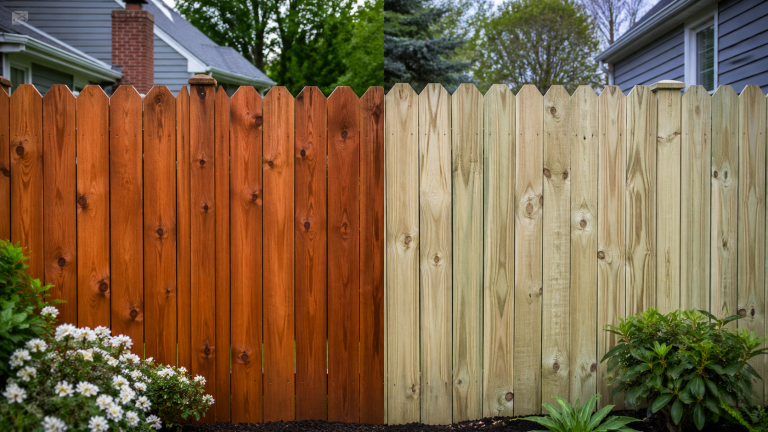
Cedar offers natural rot resistance and typically lasts 15-30 years with basic maintenance, while ACQ or CA‑treated pine posts can reach 20-40 years if properly drained; composite boards commonly carry warranties of 25-30 years. You should plan stain or seal cycles every 3-5 years for softwoods, and inspect post-to-beam connections annually to prevent early failure from moisture or insect attack.
Sustainable Practices and Local Options
If you prioritize lower environmental impact, consider FSC-certified lumber or composites with 50-70% recycled content. You can source locally milled cedar or reclaimed boards from Litchfield County salvage yards to reduce embodied carbon, and specify low‑VOC stains and borate treatments to limit toxic runoff into your soil and groundwater.
Reclaimed barn wood and locally milled cedar cut embodied carbon significantly; using salvage timbers can often reduce upstream emissions by roughly half compared with new lumber. You should verify grading and structural soundness-look for adequate heartwood, straight grain, and absence of long rot lines-then pair reclaimed posts with new, pressure‑treated footings. Contractors in town frequently combine reclaimed pickets with new treated posts to balance longevity, aesthetics, and sustainability while keeping maintenance predictable.
Summing up
Out-of-town fence installers often overlook what makes Woodbury, CT properties unique: shallow bedrock, glacial till, heavy tree root zones, freeze-thaw cycles, historic district rules, and strict setback and permit requirements. When those factors are ignored, fences shift, rot, or fail far sooner than expected, and homeowners risk costly rework, code violations, or damage to mature landscapes. Local expertise matters because proper post depth, drainage planning, material selection, and regulatory awareness are essential for long-term performance in Woodbury.
If you want a fence that’s built specifically for Woodbury, CT conditions, working with a truly local contractor makes the difference. Quality Fence, Inc. understands local soils, historic properties, wildlife considerations, and town permitting requirements. From cedar and pressure-treated wood fencing to vinyl and aluminum systems, Quality Fence, Inc. installs fences that meet code, protect your landscape, and hold up season after season.