Most fences in Woodbury fail because you underestimate local factors like soil movement, freeze-thaw cycles, and persistent moisture – water damage and fast-moving storms often accelerate rot and collapse. A professional company protects your investment by using properly set posts, pressure-treated or rot-resistant materials, and precise drainage solutions, offers expert maintenance to extend life, and follows codes so your fence withstands weather and age while keeping your property safe.
Key Takeaways:
- Fences in Woodbury commonly fail from poor drainage and soil movement, rot/insect damage, and winter weather stress.
- DIY or rushed installs fail when posts are set too shallow, footings are inadequate, and unsuitable fasteners or untreated wood are used.
- Professional companies perform site assessments, use pressure‑treated or rot‑resistant materials, set posts to proper depth with concrete footings, follow local codes, and provide warranties and maintenance plans.
Common Reasons for Fence Failures in Woodbury, CT
When you see fences leaning or panels splitting in Woodbury, typical culprits are poor installation, untreated materials, frost heave, and designs that ignore local conditions. Shallow posts, missing gravel drainage, or wrong hardware accelerate rot and movement. You face repairs every 3-7 years with cheap choices instead of the 15-30 years achievable with pressure‑treated lumber, proper fasteners, and designs that account for ~45-50 inches of annual precipitation and frequent freeze-thaw cycles.
Poor Installation Practices
Shallow posts or missing gravel cause movement from frost heave; you should set posts about 36 inches deep in Connecticut and backfill with 2-3 inches of gravel for drainage. You’ll also see premature failure from using nails instead of galvanized or stainless screws-nails can loosen in 2-5 years-while spacing posts 6-8 feet and using concrete footings with proper compaction prevents sagging and post rotation under wind and snow loads.
Inadequate Materials and Design
Using untreated pine, thin rails, or cheap hardware means your panels rot or fail under local weather; pressure‑treated lumber or cedar typically lasts 15-30 years versus 3-7 for untreated wood. You need stainless or hot‑dip galvanized fasteners to resist corrosion from road salt and humidity, and design choices-like continuous solid panels on exposed sites-can dramatically increase wind loads and collapse risk.
When you replace a failed fence, choose 2×6 pressure‑treated rails, 6×6 posts set to 36 inches with stainless hardware; adopting 6‑foot post spacing, angled post caps to shed water, and a top lattice to vent wind pressure can extend your fence beyond 20 years while cutting maintenance and repair costs.
Environmental Factors Impacting Fences
Environmental factors like wind, moisture, soil chemistry, and sun exposure directly drive common failures you see in Woodbury, CT, producing warped pickets, loosening posts, and accelerated rot. Field reports show untreated posts in wet sites can fail within 3-7 years, while panels on exposed ridgelines suffer from repetitive wind loading. Assume that a professional fence company evaluates these variables, chooses appropriate materials, and applies installation techniques to prevent those predictable failure modes.
- Weather & Climate
- Soil & Drainage
- Vegetation & Root Pressure
- UV Exposure & Material Degradation
- Road Salt & Chemical Exposure
Weather and Climate Considerations
You face New England patterns of freeze-thaw cycles, heavy snow, and occasional nor’easters that strain fences; repeated freezing stresses posts and concrete, and wet seasons accelerate rot and metal corrosion. In practice, storms with gusts exceeding 40-50 mph will loosen rails and fasteners if not properly anchored, and prolonged wet months raise failure rates noticeably in low-lying yards.
Soil Conditions and Drainage Issues
If your fence sits on clay or poorly drained soil, waterlogged conditions create frost heave and prolonged contact that rots post bases and destabilizes footings within 3-5 years; you need to address percolation, slope, and water flow to avoid recurring repairs.
Professionals perform simple site tests-percolation holes, visual water-table checks, and probing for compacted clay-to quantify risk, then implement fixes: dig footings below the local frost depth (often 3-4 feet in Connecticut), place 6-12 inches of crushed stone for drainage, use pressure-treated or composite posts above a gravel collar, slope concrete away from the post, and install French drains or regrading where surface runoff concentrates; these measures reduce post failure rates dramatically on formerly saturated sites.
Importance of Proper Maintenance
You keep small problems from ballooning into full replacements by scheduling routine care: stain or seal every 2-3 years, clear vines and mulch that trap moisture, and replace wobbling posts within 48 hours of detection. In Woodbury’s damp summers and freeze-thaw winters, treated cedar or pressure‑treated pine that receives regular maintenance often lasts 15-20 years versus 5-8 years when neglected, so investing in upkeep directly protects your property value and safety.
Regular Inspections and Repairs
Inspect your fence at least twice a year and after storms: push posts at the top-if they move more than 1/2 inch, plan a reset-and look for split rails, loose fasteners, or concrete footing cracks. Replace corroded screws within 30 days and tighten hardware to stop progressive failure; contractors often save homeowners 30-50% over replacement costs by catching issues early and doing targeted repairs.
Seasonal Upkeep Strategies
Spring: remove winter debris, re-torque hardware, and reset frost‑heaved posts; Summer: stain or paint and keep plants trimmed 12-18 inches away; Fall: clear leaves and apply a water‑repellent before freezes; Winter: remove heavy snow to prevent sagging. Staining every 2-3 years and maintaining proper clearance dramatically reduces rot and fastener corrosion.
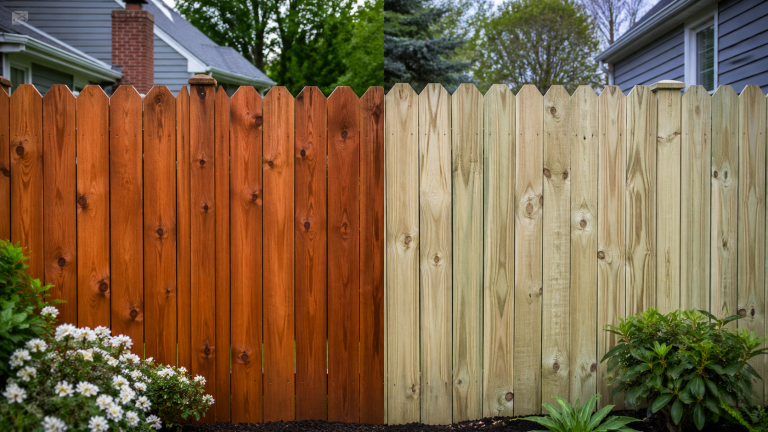
Use a pressure washer at about 800-1200 psi with a fan nozzle to remove mildew, then allow wood to dry 48-72 hours before staining. For in‑ground posts, treat with a borate preservative and set on 2-3 inches of gravel for drainage before pouring concrete to prevent wicking. Scheduling professional spring and fall tune‑ups helps you catch hidden rot and prolong your fence’s service life by several years.
The Role of a Professional Fence Company
When you hire a professional fence company in Woodbury, they handle site surveys, permit applications, and utility locates (you should call 811 before digging). They evaluate soil type, drainage and slope so posts are placed to avoid frost heave and pooling, and they follow local setback and HOA rules. That work prevents common failures like sagging rails and post rot within 3-5 years, and gives you documented warranties and code-compliant installation records.
Expertise in Installation Techniques
You get crews who set posts to the local frost depth (typically 36-48 inches) and space them at industry-standard intervals (usually 6-8 feet for wood). They use gravel bases, proper concrete backfill and compaction, and techniques like racking or stepping to handle slopes without cutting boards. In practice, one 150-foot replacement job I’ve seen moved from failing 4-foot spans to 8-foot spans with concrete footings, eliminating lateral sway and reducing maintenance.
Using High-Quality Materials
Professionals specify materials that match your site: pressure-treated posts rated for ground contact, Western red cedar or composite boards, and stainless or hot-dipped galvanized fasteners to resist coastal salt and de-icing chemicals. You should expect lifespans of 15-30 years with these choices versus 5-10 years for untreated materials, and warranties often reflect that durability.
Going deeper, you’ll see pros choose treated-post grades and retention levels that meet AWPA standards, select 304 or 316 stainless steel for screws near salt-exposed roads, and pick powder-coated aluminum for low-maintenance options with 10-20 year finish warranties. They also match post size and spacing to fence height and wind load-6×6 posts for 6-8 foot privacy fences, 4×4 only for low picket runs-and use techniques like through-bolting rails or stainless brackets to prevent early failure. These material and fastening choices directly translate into less rot, fewer call-backs, and measurable service-life gains for your fence.
Differences in Approach between Professionals and DIY
You’ll notice pros begin with measured site surveys, permit pulls, and a materials list that accounts for a typical 10% waste factor, while DIY projects often skip those steps. Professionals use specs-post holes matched to the local frost line (commonly 30-42 inches in Connecticut), galvanized or stainless fasteners, and pre-cut panels-to prevent common failures like rot and misalignment. On average, that planning reduces callbacks and rework; one local contractor reported cutting repair calls by over 50% after standardizing those checks.
Risk Management and Problem-Solving
You get proactive solutions from pros who assess soil type, drainage, and exposure to prevailing winds before digging. They mitigate risks with techniques like concrete footings or helical anchors, corrosion-resistant hardware, and pressure-treated below-grade posts to prevent post rot and structural collapse. When issues arise-hidden roots, rock, or leaning neighbor fences-experienced crews adapt on-site with engineered fixes instead of trial-and-error, reducing the chance your fence fails under storm loads or wet seasons.
Efficient Time and Resource Management
You’ll save time because pros coordinate crews, equipment, and deliveries: a two-person crew can handle roughly 75-150 linear feet per day depending on fence type, while DIYers typically move much slower. Bulk purchasing of lumber and hardware lowers cost per board, staging prevents double-handling, and on-site cutting minimizes waste, so your project finishes faster with fewer surprises.
For example, you benefit when a crew brings a gas auger-reducing hole-digging to about 10-20 minutes per hole vs. up to an hour by hand-plus pre-measured jigs for consistent post spacing. Professionals also pre-cut panels and order materials to match planned runs, which streamlines installation and keeps contingency stock (usually ~10%) ready to avoid interruption. That coordination typically halves the time you’d spend sourcing, fixing mistakes, and reworking incorrect assemblies.
Case Studies of Successful Fence Installations
You can see how a professional fence company changes outcomes: one project replaced a failing 90 ft run with a 6 ft cedar privacy fence, reducing leaks and rot; another restored a 200 ft chain-link perimeter to meet commercial code. For local references, check Are there any fencing companies in Woodbury CT? to compare timelines and results.
- 1. Woodbury, CT residential: 120 ft cedar privacy fence, 6 ft panels, 36″ concrete-encased posts, installed in 3 days; expected lifespan 25+ years, project cost: $9,200; solved persistent rot from improper post depth.
- 2. Commercial sports field: 500 ft galvanized chain-link, 8 ft height, wind-rated to 90 mph, 6-week permit-to-complete timeline, cost: $42,000; included ADA-compliant double gates and vandal-resistant hardware.
- 3. Historic property boundary: 80 ft pressure-treated picket, custom post caps, post spacing 6 ft, installed without disturbing root zones; installed in 2 days, cost: $3,600; preserved trees while restoring fence line.
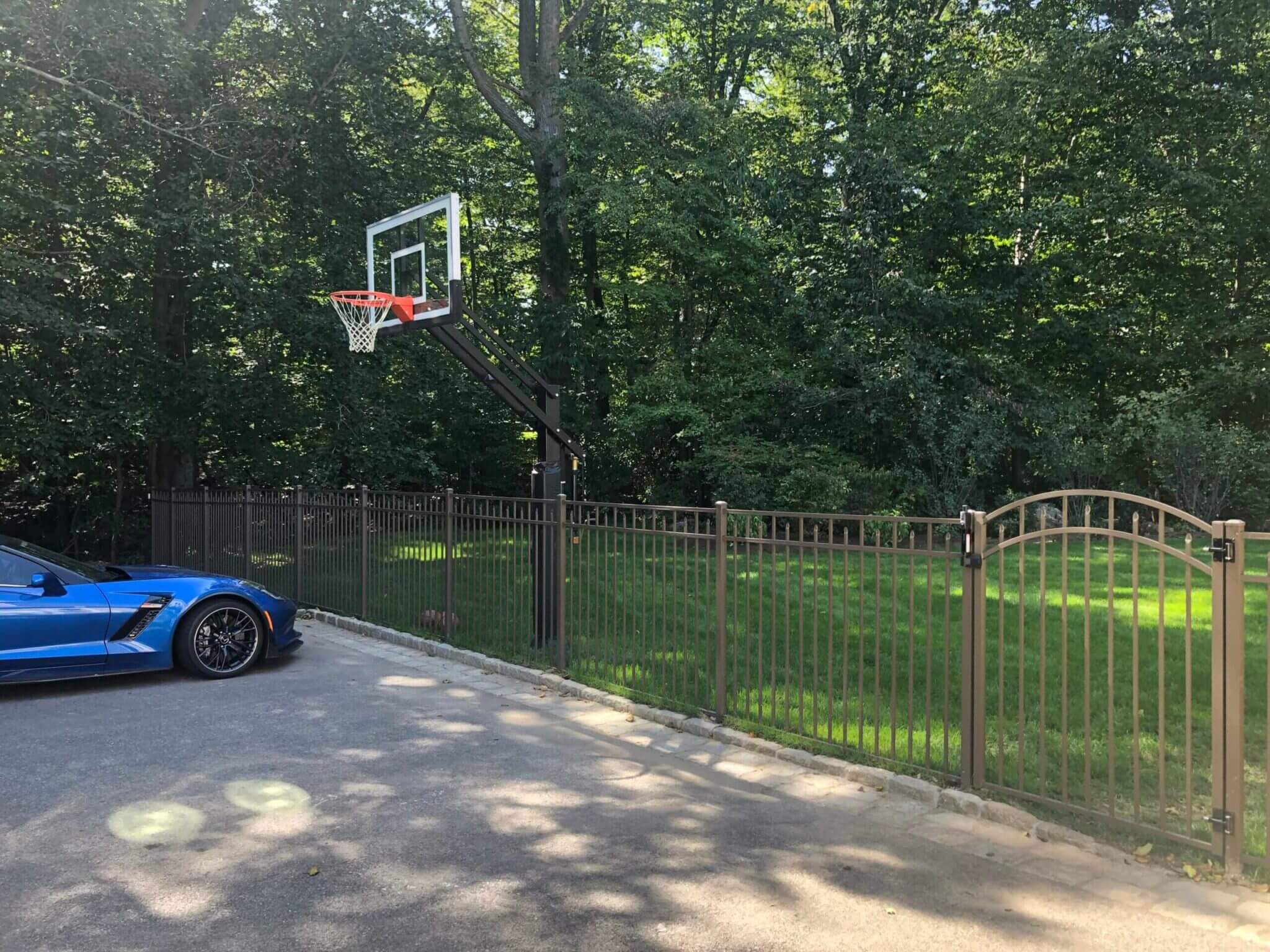
- 4. Pool safety upgrade: 40 ft aluminum fence with self-closing gate, 4 ft height per code, CCTV mounting points, installed in 1 day; reduced liability exposure and met insurance requirements, cost: $4,800.
- 5. Rural farm containment: 600 ft split-rail with electrified strand, posts set at 48″ depth in clay, labor 5 days, cost: $7,500; reduced livestock escapes by 98% in first month after installation.
Residential Solutions in Woodbury
You’ll get tailored residential fixes like 6 ft privacy fences with posts set 42″ deep in frost-prone soil, pressure-treated posts and cedar panels for aesthetics, and 1-3 day install windows for typical 100-150 ft yards. Install teams handle permits, ensure gate hardware meets your needs, and add warranty-backed finishes to minimize rot and maintenance.
Commercial Applications and Best Practices
You should expect commercial jobs to follow stricter specs: anchor depths of 48″ for high-wind exposures, metal posts or concrete sleeves, and documented load ratings. Professionals provide engineered drawings, meet municipal code, and schedule inspections to avoid costly rework.
In practice you’ll see added measures such as galvanized or powder-coated materials for corrosive environments, tamper-proof fasteners, and project tracking showing milestones and compliance. A certified team will quantify factors-span lengths, uplift calculations, and expected service life-so you know the investment, potential safety improvements, and long-term maintenance costs before work begins.
Final Words
Fences in Woodbury, CT most often fail because of shallow post depth, poor drainage, untreated materials, and installation methods that do not account for freeze-thaw cycles and wet soil. When posts are not set below the frost line or corrosion-resistant hardware is skipped, rot, leaning, and collapse can happen in just a few years. Professional fence companies prevent these issues by assessing soil conditions, setting posts correctly, using pressure-treated or rot-resistant materials, and following local codes to ensure long-term durability.
If you want a fence that lasts in Connecticut’s climate, working with a trusted fence company in Woodbury, CT makes the difference. Quality Fence, Inc. installs and repairs fences using proper footings, high-quality materials, and code-compliant methods designed for local conditions. Whether you need fence repair or a full replacement, Quality Fence, Inc. delivers long-lasting results you can rely on.