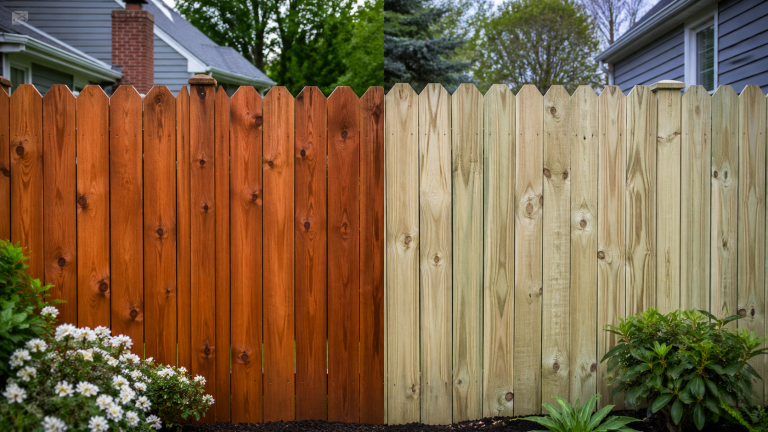
Fence orientation, post depth, and board spacing in Danbury, CT determine how well you resist prevailing winds; select pressure-treated posts set to required depth to avoid storm damage and ensure increased longevity and stability for your property.
Key Takeaways:
- Prevailing winds in Danbury, including seasonal gusts and Nor’easters, increase lateral loads on fences, so design choices should reduce sail area by lowering heights or incorporating gaps and open-style panels.
- Use stronger posts and deeper footings: set posts below the local frost line (commonly 36-48 inches in CT) with reduced spacing for wind-exposed runs; opt for 4×6 or 6×6 posts on tall or continuous sections.
- Choose wind-resistant materials and hardware such as pressure-treated lumber or cedar, galvanized or stainless fasteners, open picket profiles, and metal straps or anchors to improve stability and longevity.
Analyzing Danbury’s Wind Profiles and Topography
Danbury’s varied terrain forces you to consider gust hotspots when siting fences; valleys shield some areas while ridgelines expose you to sustained wind.
Assessing Local Wind Speeds and Fairfield County Microclimates
You must check NOAA and local station records to map prevailing speeds; 40-60+ mph gusts during storms increase lateral loads and post failure risk.
The Impact of Elevation and Open Terrain on Wind Velocity
Ridges and open fields expose you to stronger sustained winds, increasing pressure on fence panels; higher exposure raises overturn and shear risk.
Consider reinforcing posts with concrete footings 30-48 inches deep and using spaced panels or lattice to reduce wind load; metal posts and cross-bracing dramatically lower failure rates. You may add windbreak vegetation on the windward side to cut gust speed while keeping setbacks to avoid root pressure and moisture problems.
Selecting Resilient Wood Species and Material Grades
Choose wood species and grades that resist Danbury’s wind-driven moisture and abrasion; you should prefer clear, straight-grain boards and higher treatment levels. You must factor decay resistance and edge sealing to limit panel uplift and extend service life.
Comparing Structural Integrity: Western Red Cedar vs. Pressure-Treated Pine
Cedar provides excellent natural decay resistance and lighter weight, but you must brace sections against uplift; pressure-treated pine delivers higher density and screw-holding but requires chemical treatment monitoring. You should balance weight, fastener grip, and maintenance when choosing between them.
Species comparison
| Western Red Cedar | Pressure-Treated Pine |
|---|---|
| Lower density, excellent rot resistance | Higher density, better fastener holding |
| Less wind load, easier to handle | More resistant to impact, heavier wind loads |
| Higher initial cost, lower chemical maintenance | Lower material cost, requires treatment checks |
| Flexible under stress | Stiffer but transfers more load to posts |
Evaluating Wood Density and Flexural Strength Under Stress
Density dictates how a panel resists bending; you should prioritize species with higher modulus of rupture and flexural strength to reduce sag and racking. Higher-density boards limit deflection but increase fastener shear loads, so choose compatible hardware and post spacing.
Testing should include static load and cyclic fatigue simulations so you can see how boards behave under gust-driven reversals; measure modulus of elasticity, MOR, and time-to-failure on spliced sections. Pay attention to moisture content and grain orientation, because damp, cross-grained pieces can dramatically reduce flexural capacity and increase the risk of panel failure.
Engineering Foundation and Post Stability
Engineering foundations and posts in Danbury require designing for prevailing gusts and exposure; you should specify deeper, heavier footings, reinforced anchoring, and lateral bracing to prevent uplift and racking under sustained wind.
Calculating Post Depth Requirements for Connecticut’s Frost Line
Connecticut’s frost line averages about 42 inches, so you must set posts below that depth and use concrete footings to prevent frost heave; check Danbury code and soil conditions for exact minimums.
Optimizing Concrete Footing Diameter for High-Exposure Zones
Increase footing diameters in high-exposure Danbury sites to at least 12-18 inches, matching post size and soil bearing; you should add rebar and higher-strength concrete to resist overturning and scour.
Anchoring posts in larger-diameter footings lets you install a rebar cage and embed anchors; plan for 12-inch diameters for 4x4s and 18-inch for 6x6s, increase further for poor soils or extreme exposure, and use 3,000+ psi concrete.
Aerodynamic Design Strategies to Reduce Wind Load
Aerodynamic adjustments let wind pass and cut pressure on fences in Danbury; you should use sloped tops, staggered pickets, and ventilation gaps to reduce lateral loads and lower the chance of post bending or failure.
Implementing Shadowbox and Spaced-Picket Configurations
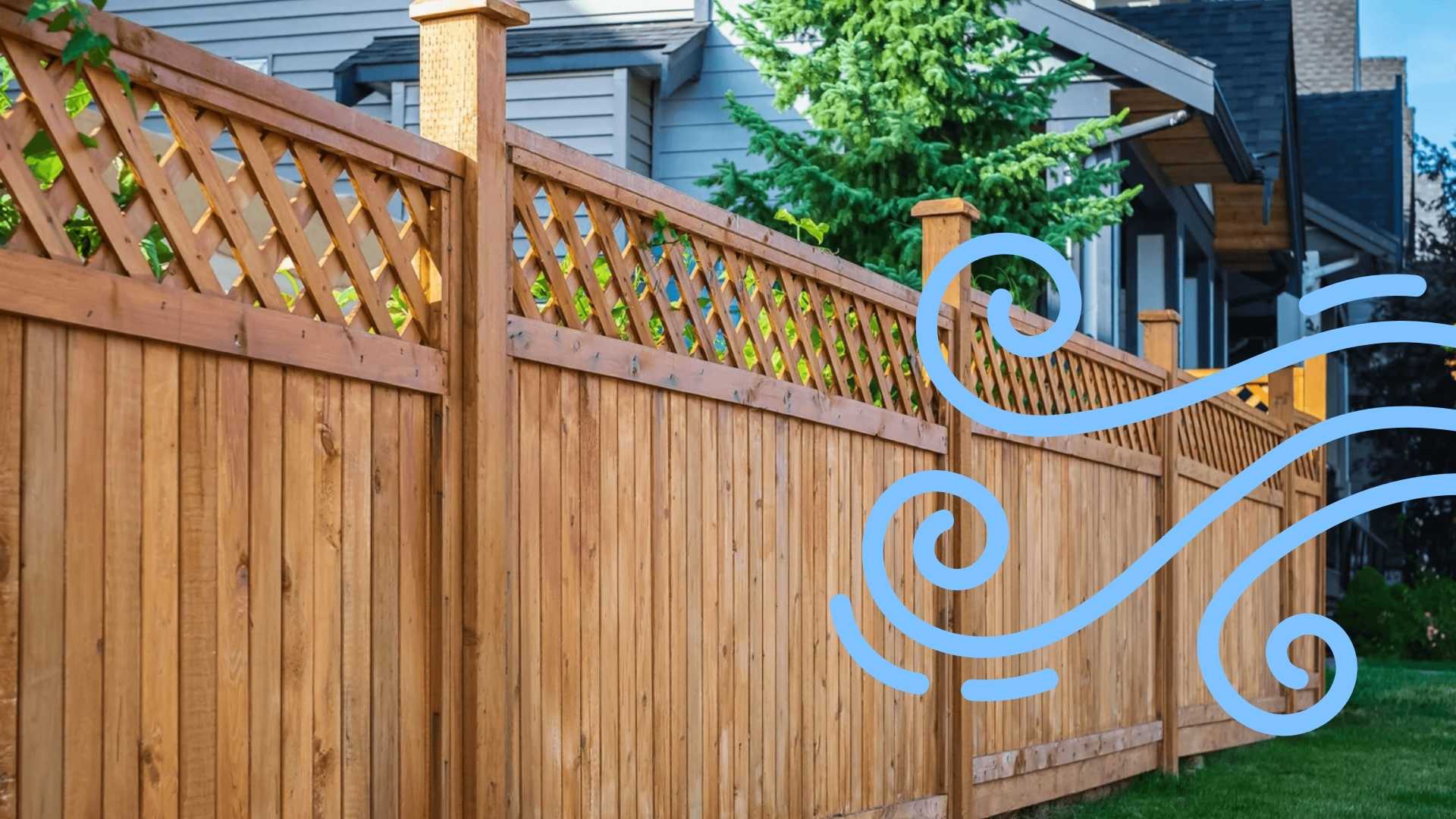
Shadowbox construction gives you privacy while alternating boards create air passages, and spaced-picket runs further reduce wind force; both reduce drag on posts and allow taller fences with less reinforcement.
Mitigating the “Sail Effect” in Solid Privacy Fencing
Sail-effect solutions let you break continuous surfaces with vents, staggered panels, or lower top sections to cut lateral pressure and reduce the risk of post overturn during Nor’easters and gusty storms.
You should pair ventilation strategies with structural measures: shorten bay widths, use heavier posts with through-bolted rails, and set posts in concrete footings below the frost line to resist uplift. Add diagonal bracing at gates and exposed ends, and consider sacrificial lattice or plant windbreaks to deflect gusts; these steps cut overturn risk and protect against undersized posts.
Advanced Fastening and Hardware Specifications
Choose high-tensile fasteners and heavy-gauge hardware to resist Danbury wind loads; you should specify hot-dipped galvanized or 316 stainless steel and impact-rated brackets to prevent corrosion and failure.
- Specify fastener grade and coating
- Require connector load ratings
- Detail bolt diameters and spacing
- Mandate installation torque and inspection
Hardware Quick Reference
| Component | Recommendation |
| Fasteners | Hot-dipped galvanized or 316 stainless, ASTM A153 |
| Brackets | Heavy-gauge steel, impact-rated, hot-dipped coating |
| Bolts | ¼”-½” structural bolts with lock nuts and washers |
| Protective Finish | Seal penetrations; use compatible coatings for treated wood |
Utilizing Industrial-Grade Galvanized and Stainless Steel Connectors
Select industrial-grade galvanized and 316 stainless connectors to avoid rust where spray or salt exposure occurs; you should match connector strength to design loads and follow ASTM A153 or equivalent specifications.
Reinforcing Rail-to-Post Joints for Lateral Resistance
Use through-bolts and oversized brackets at rail-to-post joints so you can resist lateral shear from gusts; apply locking nuts and shear plates where required.
Bolting rail-to-post connections with structural carriage bolts, double-shear brackets, and full-depth blocking behind rails gives you higher lateral capacity; specify washers, torque values, and periodic inspection to avoid connection fatigue and collapse, and pre-drill to prevent splitting treated lumber.
Local Building Codes and Structural Compliance
Local codes require you to comply with wind-load specifications, post depths, and bracing; consult municipal standards so your fence avoids collapse, injury, or fines.
Navigating Danbury’s Zoning Regulations for Fence Height and Safety
Danbury ordinances set height limits, sightline setbacks, and corner clearances; you must verify lot lines and avoid illegal heights that could require removal.
Professional Permitting for High-Wind Structural Designs
Professional permits require engineered plans for high-wind fences; you should submit structural calculations and schedule inspections to prevent failure and liability.
You will need stamped drawings that address local wind speeds, soil bearing, embedment depths, and post anchoring; engineers model lateral loads and specify connection details so inspectors can approve. Obtaining a permit often prevents expensive rework, reduces your exposure to structural collapse and fines, and documents compliance for insurance claims. Hire an engineer early and submit clear plans to shorten review time.
Work With a Fence Contractor Who Understands Local Conditions
At Quality Fence, Inc., we don’t just install fences — we design them for real-world conditions in Danbury and surrounding Fairfield County communities.
From wind exposure to terrain and soil conditions, our team plans every installation with long-term durability in mind.
Whether you’re installing a new wood fence or replacing an existing one, we help ensure your fence is built to withstand Connecticut’s weather patterns — not just look good on day one.
If you’re planning a fence project and want fence company guidance on the right design for your property, we invite you to request a consultation or estimate from our team.