Danbury homeowners choose between horizontal and vertical wood fences based on privacy performance, wind and storm vulnerability, and maintenance and code compliance; you should prioritize what protects your yard and budget.
Key Takeaways:
- Vertical-board fences deliver stronger privacy in Danbury because boards can be butted or overlapped to block sightlines and minimize gaps.
- Horizontal fences offer a modern aesthetic but require tighter spacing and heavier framing to avoid visible gaps and sagging in Danbury’s freeze-thaw climate.
- Confirm Danbury zoning/HOA height and setback rules; choose rot-resistant wood (cedar or pressure-treated) and panel designs that allow easy replacement-vertical panels are usually simpler to repair.
The Fundamentals of Vertical Wood Fencing
Vertical boards give you a classic profile that channels water away and simplifies repairs. You’ll get strong structural support when posts and rails are installed correctly, but you must watch for wood rot at ground contact and maintain sealant to keep privacy tight in Danbury’s weather.
Structural Stability and Traditional Design
Posts and rails anchor the fence so you can expect lasting stability when spacing and concrete footings are correct. You should consider wind exposure in Danbury; improper anchoring creates leaning and quick failure, so follow local codes and use pressure-treated materials.
Privacy Benefits of Overlapping Board Styles
Overlap patterns let you reduce visible gaps so you maintain excellent privacy even with seasonal board shrinkage. You’ll still need tight nailing and staggered seams to prevent sightlines and reduce wind transfer through the fence.
Installing overlapping boards like board-and-batten or shiplap helps you block lines of sight while allowing necessary drainage. You should orient overlaps downward to shed rain and use stainless or galvanized fasteners to limit corrosion. Overlaps reduce sound transmission and wind gust penetration, but leave narrow gaps as wood moves; regular inspection and resealing prevent privacy breaches and rot in Danbury’s freeze-thaw cycles.
The Modern Appeal of Horizontal Wood Fencing
Horizontal boards give you a sleek, modern barrier that boosts curb appeal while offering adjustable privacy; choose tightly fitted slats for maximum privacy or spaced boards to preserve light and airflow.
Contemporary Aesthetics for Danbury Homes
Danbury homeowners favor horizontal fences because you can pair clean lines with local styles, producing a contemporary facade that increases curb appeal without overpowering surrounding properties.
Creating the Illusion of Expanded Property Depth
Visual horizontal slats make your yard feel longer, so you can create the impression of expanded depth and a more open backyard while keeping privacy intact.
You can amplify perceived depth by running continuous horizontal boards and choosing lighter stains or narrow seams to draw the eye outward. You should pair that visual trick with taller panels or minimal gaps, and plan for reinforced posts because long horizontal runs increase wind load and risk structural failure if not properly supported.
Privacy Performance Comparison
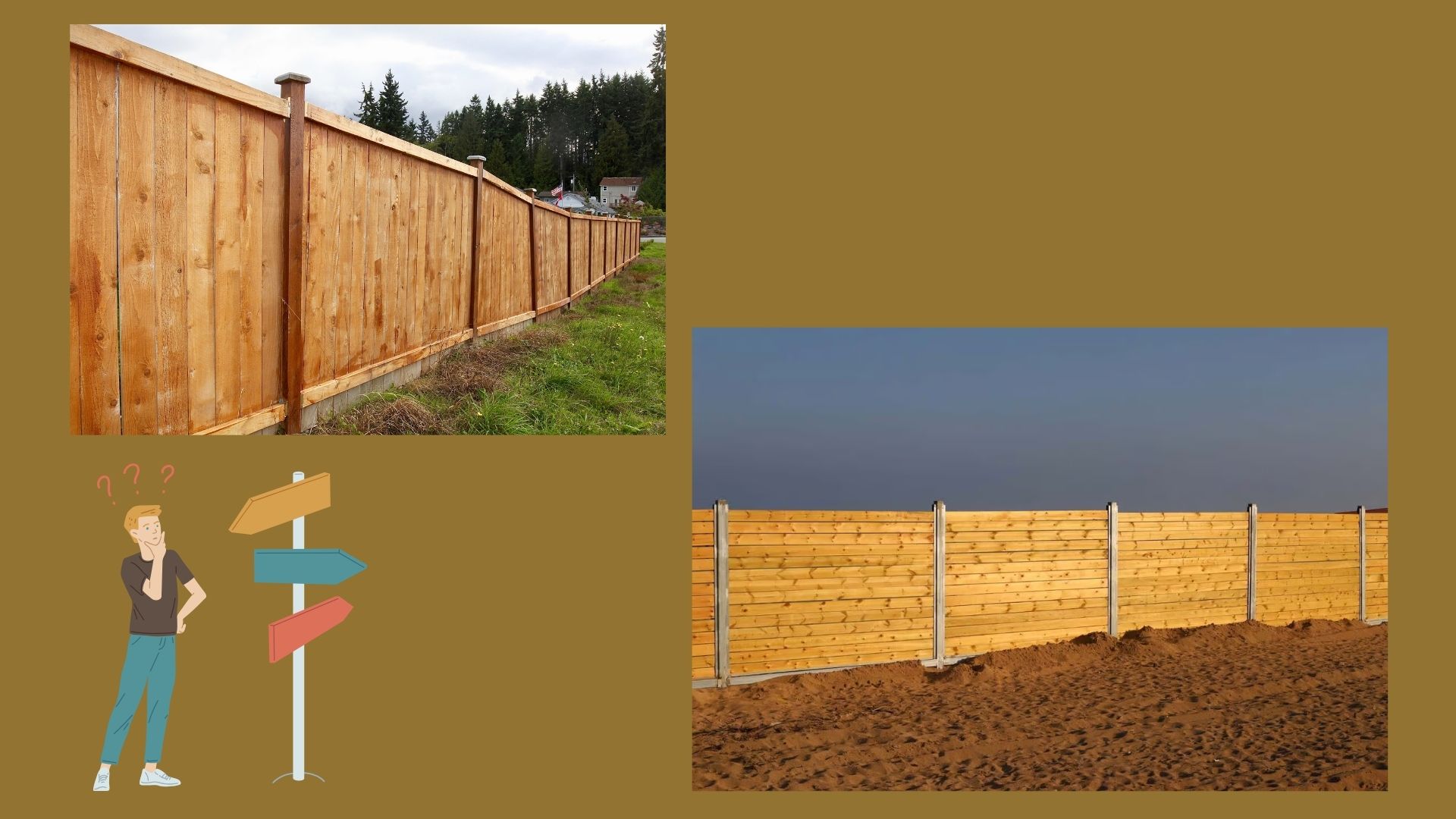
Compare horizontal and vertical layouts: horizontal often yields a sleeker look but can develop long-run gap lines with board shrinkage, while vertical tends to maintain consistent sightline coverage. You should prioritize tight joints and proper fastening for the best privacy.
| Horizontal | Vertical |
|---|---|
| You typically get a modern aesthetic; expect potential continuous gaps from long boards unless you use tight fastening and acclimated lumber. | You usually receive steadier sightline control and simpler repairs; vertical boards more often avoid long linear gaps when installed correctly. |
Evaluating Sightline Gaps and Board Shrinkage
Inspect boards for seasonal shrinkage: you will notice horizontal runs can open continuous gaps, while vertical boards typically reveal smaller, isolated gaps. You can limit exposure by using tongue-and-groove or face-fastening and by allowing proper acclimation before installation.
Sound Attenuation in High-Traffic Neighborhoods
Assess sound blocking: you will find orientation alone matters less than fence mass and sealed seams; both horizontal and vertical panels can perform well if you ensure continuous mass and minimal gaps. You should favor greater height and denser board patterns near busy roads.
Adding acoustic measures will improve results: you can increase attenuation by raising fence height, adding a continuous backer (like mass-loaded vinyl or plywood), and seal the base to stop sound leakage. You should consider double-sided boards, staggered seams, or a planted berm to diffuse noise. Use denser species and invest in professional installation so the fence maintains structural integrity and long-term sound performance.
Durability in the Danbury Climate
Danbury’s freeze-thaw cycles and heavy snowfall shorten untreated wood life, so you must choose rot-resistant species and quality finishes; otherwise you’ll face accelerated rot and frequent repairs.
Managing Moisture and Drainage in Connecticut Winters
Snowmelt and spring rains pool at fence bases; you need proper grading, drainage gaps, and gravel pads to avoid prolonged saturation that accelerates rot and mold growth.
Wind Resistance and Structural Load Differences
Vertical panels channel wind to posts, so you must use sturdier posts and tighter spacing to resist wind uplift on exposed Danbury lots.
When assessing wind loads, you should consider panel solidity, post embedment (minimum 36 inches in frost-prone soil), and fastener spacing. Horizontal slat systems can distribute loads via continuous rails, while tall, solid vertical privacy boards create a larger sail effect and demand deeper posts, closer spacing, or intentional gaps to prevent post failure. Anchor end and corner posts in concrete and upsize to 6×6 where exposure is high.
Navigating Local Regulations and Terrain
Check local codes before choosing fence orientation, since Danbury rules and lot slope affect privacy and costs; you should expect permits and height limits and adjust material and post depth accordingly.
Danbury Zoning Laws and Height Restrictions
Consult Danbury zoning for property-specific limits so you can avoid fines; residential fences typically cap near six feet, but corner lots and setbacks may reduce allowable height, and permit approval can require plans.
Adapting Orientation to Sloped or Uneven Lots
Consider staggering posts or using a racked fence so you can maintain privacy on slopes; stepped horizontal panels reduce gaps but may need taller posts and careful grading to prevent water pooling.
You can choose between stepped panels that keep boards level or racked (contoured) fences that follow grade; stepped fences maintain cleaner lines but create horizontal gaps at the base, while racked fences preserve continuous coverage but require closer post spacing and angled rails. For steep lots, set deeper footings, add drainage and consider terracing to prevent rot and washout, and check permit impacts on post heights.
Cost Analysis and Maintenance Requirements
Costs differ by style and labor; you may pay more up front for horizontal fencing due to specialized framing, while vertical fences are usually cheaper to install but can incur higher long-term maintenance. Expect higher installation charges for horizontal layouts in Danbury.
Material Quality and Installation Complexity
Quality affects both privacy and durability; you should choose dense-grain hardwoods or pressure-treated pine for better longevity. Poor installation creates gaps and rot risks, so hire experienced installers if you want tight privacy and fewer repairs.
Long-term Staining and Sealing Schedules
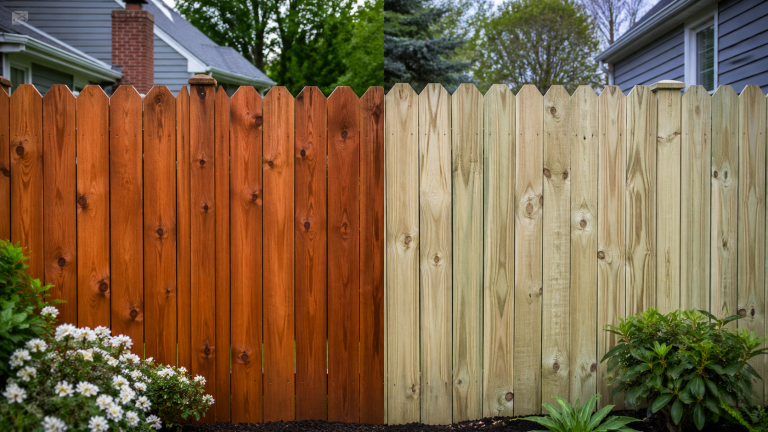
Sealing frequency depends on exposure and wood type; you should stain or seal every 2-4 years in Danbury’s climate, with more frequent touch-ups on horizontal surfaces that trap moisture. Missed sealing accelerates rot and color fade.
Regularly inspect and plan a staining cycle based on wood species and sun/wind exposure: clean with a mild detergent, let the wood dry 48-72 hours, sand any raised grain, then apply a high-quality penetrating stain with UV inhibitors. Horizontal boards hold moisture longer, so allow extra drying time and consider solid stains for maximum protection; schedule a full reseal every 2-4 years and spot-treat high-exposure sections annually to avoid rot and costly repairs.
Final Words
Both horizontal and vertical wood fences can provide privacy — but in Danbury’s climate, performance over time matters just as much as appearance.
Vertical fencing remains the more reliable option for homeowners who want consistent privacy with fewer long-term gap issues. Its traditional construction allows for tighter board placement, simpler repairs, and better adaptability to seasonal wood movement. Horizontal fencing offers a sleek, modern look, but it often requires more structural reinforcement and ongoing maintenance to prevent sagging or visible gaps caused by Connecticut’s freeze-thaw cycles.
The best choice ultimately depends on your goals — whether you prioritize modern curb appeal or long-term privacy and durability.
At Quality Fence, Inc., we help Danbury homeowners choose fence designs that not only look great but also perform well against local weather conditions, terrain, and zoning requirements. From planning to installation, our team ensures your fence is built for both style and long-term functionality.
If you’re considering a new wood fence and want expert fence company advice on the right orientation for your property, contact Quality Fence, Inc. to request an estimate or consultation today.